
GroceryBrands.net is a participant in the Amazon Services LLC Associates Program. When you click our Amazon affiliate links and make a purchase, we earn a commission at no extra cost to you.
A friend puts a bottle of “fermented ketchup” on the table, and you expect the usual sweet-and-tangy squeeze. Then you taste it, and it feels deeper, almost like ketchup grew up a little.
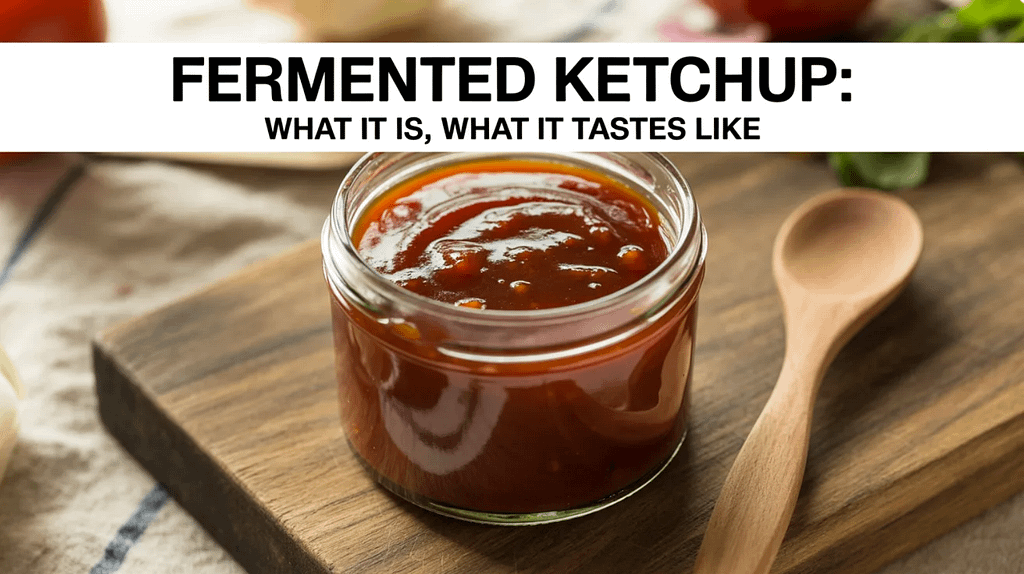
Fermented ketchup is still ketchup, but the flavor usually comes across as more savory and layered. The tang can feel smoother, the sweetness can feel quieter, and the finish often lingers in a way that makes regular ketchup feel a bit one-note.
Tomato ketchup often tastes bright because vinegar and tomatoes create that familiar tang, but fermentation can add another kind of “depth” that some people instantly love.
So… what is fermented ketchup?
Fermented ketchup is ketchup made with a fermentation step somewhere in the process. That fermentation can happen with tomato ingredients, with added cultures, or with a method that lets flavor develop over time before the ketchup is finished.
You don’t have to think of it like a science project. In practical terms, fermentation is simply a way to create:
- deeper flavor
- more savory notes
- a tang that feels less sharp
- a “rounder” finish
It’s the same reason many people love fermented foods like yogurt, sourdough, kimchi, or hot sauce. The food doesn’t just taste sour, it tastes more complete.
What fermented ketchup usually tastes like
Fermented ketchup is not one single flavor, but there are a few common patterns people notice.
1) More savory, less candy-sweet
Some bottles feel less like “sweet condiment” and more like “tomato sauce with personality,” even though they still have sweetness.
2) Tang that feels smoother
Regular ketchup can hit fast with vinegar. Fermented ketchup often tastes tangy too, but the tang may feel softer and more blended.
If you’ve ever wondered why some bottles taste sharper than others, ketchup can taste more tangy depending on how the recipe balances vinegar and tomato flavor.
3) A longer finish
Instead of fading quickly into sweet-and-tang, fermented ketchup can leave a savory aftertaste that pairs well with grilled foods.
Why fermentation changes the experience
Here’s the simplest way to understand it: fermentation can develop flavor in the same way slow cooking develops flavor. Time and natural processes can add complexity that “quick mixing” doesn’t always create.
That complexity can show up as:
- richer tomato flavor
- more “umami” (that savory mouth-watering quality)
- a less aggressive sweetness
- a tang that feels less sharp
And because flavor and texture often go together, some fermented ketchups also feel slightly different when you dip or spread them.
Ketchup can feel thick and clingy for a reason, and fermented versions sometimes aim for a more “restaurant-style” mouthfeel, depending on the brand.
Is fermented ketchup safer or “healthier”?
Fermented ketchup isn’t automatically healthier. It depends on the ingredients, the sweetness level, and how the ketchup is made.
Some fermented ketchups are:
- lower sugar
- more tomato-forward
- less processed in the “feel” of the flavor
Others can still be sweet and fairly similar nutritionally to regular ketchup.
If your main goal is to reduce sugar, ketchup can be made with different sweetener styles, whether it’s fermented or not.
So it’s best to choose fermented ketchup for the taste first. If it also fits your ingredient preferences, that’s a bonus.
What “fermented” does NOT mean (common misunderstandings)
It doesn’t mean it tastes like vinegar
Fermented ketchup can be tangy, but it doesn’t automatically taste harsh.
It doesn’t mean it’s spicy
Some brands pair fermentation with heat, but fermentation itself isn’t “spice.”
It doesn’t mean you can leave it out forever
Even if ketchup is naturally tangy, quality still depends on how the bottle is handled after opening. Many people find that opened ketchup keeps its best flavor longer when stored in the fridge, especially if it’s used slowly.
When fermented ketchup is genuinely worth trying
Fermented ketchup tends to shine when ketchup isn’t just a background condiment.
Try it when:
- you want ketchup to taste like part of the meal, not just “sweet red sauce”
- you eat grilled meats, burgers, or roasted vegetables often
- you like savory condiments more than sugary ones
- you enjoy fermented foods in general
If your ketchup use is mostly “quick fries and nuggets,” classic ketchup might still be your comfort favorite, and that’s totally fine.
The best ways to use fermented ketchup
Think of fermented ketchup like a flavor upgrade. It often works best where the food has browning, smoke, or richness.
Great matches include:
- burgers and smash burgers
- grilled chicken sandwiches
- roasted potatoes
- breakfast sandwiches (especially with eggs)
- meatloaf or meatballs
- grilled vegetables
It can also be excellent as a base for quick sauces, because the savory depth gives you more flavor without extra steps.
How to tell if you’ll like it before you buy it
If you want a quick rule of thumb:
- If you prefer ketchup that tastes sweet first, fermented ketchup may feel “less familiar.”
- If you prefer ketchup that tastes tomato-forward and savory, fermented ketchup may feel like an instant upgrade.
People who love vine-ripened ketchup often like a richer tomato flavor, and fermented ketchup can land in that same “deeper flavor” category even though the process is different.
A simple taste test that makes the difference obvious
If you ever have both bottles at home, try this:
- Taste a tiny dab of each one plain.
- Then taste each one with a fry.
- Pay attention to the aftertaste.
Classic ketchup often ends sweet-and-tangy. Fermented ketchup often ends more savory and “rounded.” That finish is usually what makes people either fall in love… or stick with classic.
Closing thought
Fermented ketchup is still ketchup, but it usually tastes more layered and savory, with a tang that feels smoother and a finish that sticks around longer. If you love ketchup as a main flavor, not just a dip, it can be a fun upgrade that makes everyday food feel a little more satisfying.