
GroceryBrands.net is a participant in the Amazon Services LLC Associates Program. When you click our Amazon affiliate links and make a purchase, we earn a commission at no extra cost to you.
Sustainable cereal packaging reduces environmental waste, supports recycling efforts, and often uses biodegradable or compostable materials instead of plastic or foil. As more consumers prioritize eco-conscious choices, brands are shifting toward greener packaging solutions that are better for both people and the planet.
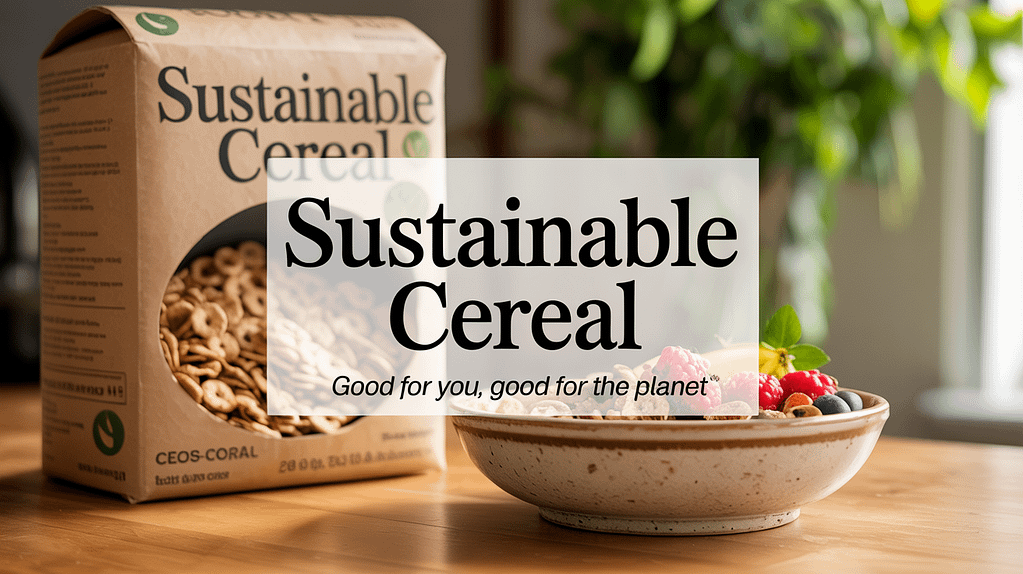
If you care about what you eat, it’s also worth considering how your breakfast is packaged. Here’s a complete guide to sustainable cereal packaging and what makes it truly environmentally friendly.
What Is Sustainable Cereal Packaging?
Sustainable packaging refers to materials and processes designed to minimize environmental impact throughout the lifecycle of the package—from production to disposal.
Key features of sustainable cereal packaging include:
- Recyclable or compostable materials
- Minimal use of plastic or non-renewable resources
- Packaging from responsibly sourced or post-consumer materials
These efforts not only reduce landfill waste but also lower carbon emissions tied to manufacturing and transport.
Why Conventional Cereal Packaging Is a Problem
Most traditional cereal packaging includes cardboard boxes with a plastic inner bag or foil lining, both of which present environmental issues.
Common problems with standard packaging:
- Plastic liners are rarely recycled and often end up in landfills
- Multilayer foil bags (used in granola and bars) are hard to separate and recycle
- Over-packaging contributes to unnecessary resource use
Even recyclable cardboard often goes to waste due to contamination or poor sorting.
Materials Used in Sustainable Cereal Packaging
Companies committed to sustainability are using alternative materials that are safer for the environment.
Popular eco-friendly packaging materials include:
- PLA (polylactic acid): A biodegradable plastic made from corn starch
- Compostable paper or cellulose film: Breaks down naturally in home composting conditions
- 100% recycled cardboard boxes: Often printed with vegetable-based inks
- Mono-material packaging: Easy to recycle because it’s made from one material only
These innovations help minimize the environmental footprint of packaging without compromising food safety.
Brands Leading the Way in Sustainable Packaging
Some cereal and granola brands are setting the standard by offering fully recyclable or compostable packaging.
Top brands using sustainable packaging:
- Seven Sundays: Offers fully compostable pouches for granola
- Nature’s Path: Uses recycled paperboard and is committed to zero waste in production
- Love Grown: Uses minimal packaging and participates in recycling programs
- Kashi: Partnered with TerraCycle to recycle used cereal bags
- Cascadian Farm: Exploring paper-based pouches to replace plastic
These companies prioritize not just what’s inside the box but how it’s delivered to your table.
How to Tell If Cereal Packaging Is Sustainable
Knowing which packaging is actually eco-friendly can be tricky due to greenwashing.
Look for these clear indicators:
- Certified compostable logos (e.g., BPI or OK Compost)
- “100% Recyclable” or “Made from Recycled Materials” on the label
- Minimal plastic use or no inner plastic liner
- Participation in take-back programs like TerraCycle
If the packaging includes multiple layers (like foil or plastic-coated cardboard), it may not be recyclable—even if it looks eco-friendly.
What You Can Do as a Consumer
You play a major role in the push for sustainable cereal packaging.
Ways to support eco-friendly packaging:
- Buy from brands with verified sustainable practices
- Recycle properly: Clean and flatten cardboard before placing it in the bin
- Reuse packaging: Use boxes or pouches for storage
- Compost biodegradable materials if labeled and if local rules allow
- Email or tag brands encouraging them to switch to greener materials
Even small habits can reduce the environmental impact of your everyday breakfast.
FAQs About Sustainable Cereal Packaging
Here are some questions and answers about sustainable cereal packaging to help you make informed choices:
What makes cereal packaging sustainable?
Sustainable packaging uses recyclable, compostable, or biodegradable materials, and minimizes the use of plastic or multi-layered non-recyclable materials.
Are compostable cereal bags actually compostable at home?
Some are, but not all. Look for certifications like “Home Compostable” or “OK Compost Home.” Others may require industrial composting facilities.
Can I recycle the inner bag of a cereal box?
Most inner bags are not recyclable through curbside programs. Some brands partner with TerraCycle or use recyclable mono-material liners.
Which cereal brands use eco-friendly packaging?
Brands like Seven Sundays, Nature’s Path, Cascadian Farm, and Love Grown offer sustainable options, often including recyclable boxes or compostable pouches.
What should I do with cereal packaging to reduce waste?
Recycle clean cardboard, reuse boxes or pouches, compost certified materials, and support brands that prioritize sustainability.
The Future of Cereal Packaging
With rising consumer demand and stricter environmental regulations, the future of cereal packaging is shifting toward sustainability.
Trends we’re likely to see:
- Compostable pouches replacing plastic liners
- Smart labeling systems to help consumers recycle properly
- Increased use of plant-based films
- Closed-loop recycling systems where brands take responsibility for packaging waste
As the industry evolves, we can expect more innovation that combines function, freshness, and environmental responsibility.