
GroceryBrands.net is a participant in the Amazon Services LLC Associates Program. When you click our Amazon affiliate links and make a purchase, we earn a commission at no extra cost to you.
Ancient grain cereals offer more fiber, nutrients, and protein compared to many modern processed grains. If you’re looking for a healthier start to your day, switching to ancient grain-based cereals can make a significant difference in how you feel and fuel your body.
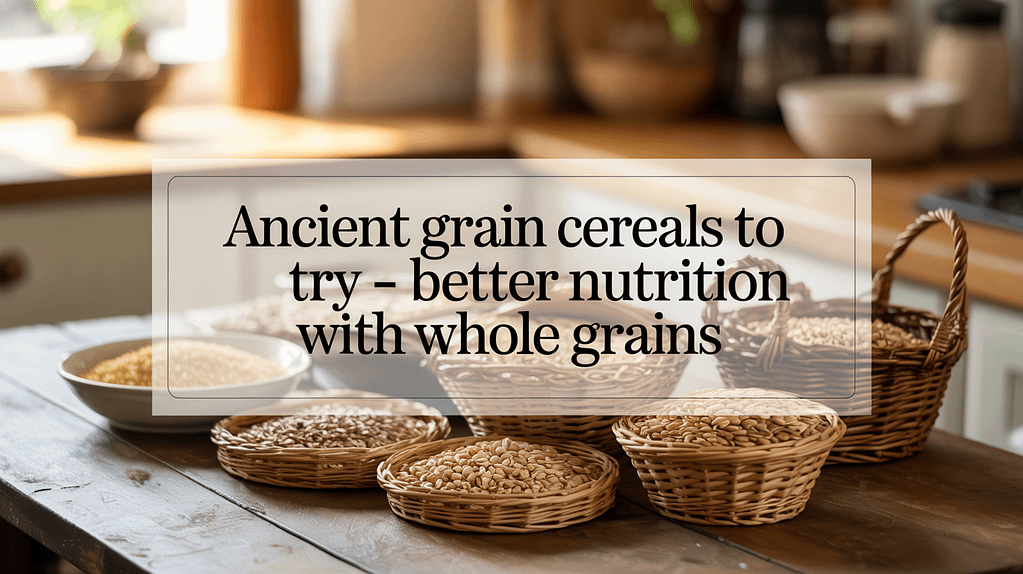
These grains have been cultivated for thousands of years and are often less processed, making them a smart choice for anyone focused on whole-food nutrition.
What Are Ancient Grains?
Ancient grains are grains that have remained largely unchanged over centuries and haven’t been hybridized or genetically modified like modern wheat or corn.
Common Ancient Grains in Cereals
You’ll often see these grains featured in premium or natural cereal brands:
- Quinoa: High in protein, contains all 9 essential amino acids
- Amaranth: Gluten-free and rich in calcium and iron
- Millet: Easily digestible and rich in magnesium
- Spelt: An ancient wheat with a nutty flavor and fiber-rich profile
- Kamut (Khorasan wheat): Known for its buttery taste and high protein
- Teff: Tiny grain loaded with resistant starch and minerals
Why Ancient Grains Are Popular in Modern Diets
People are rediscovering ancient grains because they are:
- Nutritionally dense and often gluten-free
- Less processed than traditional cereals
- Rich in antioxidants, minerals, and plant-based protein
Health Benefits of Ancient Grain Cereals
Ancient grain cereals can elevate your morning nutrition with long-lasting energy and digestive support.
Digestive Health and Fiber
Most ancient grains are high in dietary fiber, promoting gut health and regularity.
- Helps reduce bloating and improves bowel movements
- Supports a balanced gut microbiome
Better Blood Sugar Control
Their complex carbs and high fiber content lead to slower digestion.
- Reduces blood sugar spikes after breakfast
- Supports sustained energy and reduced cravings
Top Ancient Grain Cereal Brands to Try
Several brands specialize in cereals made with ancient grains. These options combine taste with nutrition.
Trusted Brands Offering Ancient Grains
If you’re new to this category, start with these highly rated choices:
- Ezekiel 4:9 Sprouted Whole Grain Cereal: Includes sprouted spelt, millet, and barley
- Purely Elizabeth Ancient Grain Granola: Made with amaranth, quinoa, and chia
- Nature’s Path Heritage Flakes: Features Kamut, quinoa, and spelt
- Seven Sundays Cereal: Blends sorghum and millet with fruit
Organic and Gluten-Free Options
Many ancient grain cereals cater to people with food sensitivities:
- Look for certified gluten-free millet or amaranth-based options
- Choose organic brands to avoid pesticide residues
How to Use Ancient Grain Cereals Creatively
Ancient grain cereals don’t have to be boring. You can enjoy them in many different ways.
Beyond the Bowl – Different Serving Ideas
Experiment with these alternatives to traditional milk-and-cereal routines:
- Yogurt Parfait: Layer with Greek yogurt and berries
- Trail Mix Base: Combine with dried fruit, seeds, and dark chocolate chips
- Smoothie Bowl Topping: Adds crunch and nutrition to your breakfast bowl
Warm It Up Like Oatmeal
Some ancient grain cereals (like spelt flakes or millet-based options) can be cooked like hot cereal:
- Add plant-based milk, heat in a saucepan
- Stir in cinnamon, almond butter, or bananas for extra flavor
FAQs About Ancient Grain Cereals
Here are some questions and answers about ancient grain cereals to help you decide if they’re right for your diet.
What are ancient grain cereals?
Ancient grain cereals are breakfast cereals made from traditional grains like quinoa, millet, amaranth, and spelt that have been cultivated for centuries with minimal modification.
Are ancient grain cereals healthier than regular cereals?
Yes, they are often healthier because they contain more fiber, protein, and essential nutrients with fewer processed ingredients and less sugar.
Are all ancient grain cereals gluten-free?
No. Some, like quinoa, millet, and amaranth, are naturally gluten-free, but others like spelt and Kamut contain gluten. Always check the label.
Can I eat ancient grain cereal every day?
Yes, you can eat them daily as part of a balanced diet. They’re high in fiber and nutrients, making them ideal for breakfast.
What’s the best way to prepare ancient grain cereal?
Most are ready to eat with milk, but you can also cook them into a warm bowl like oatmeal or use them in parfaits and smoothie bowls.
Considerations Before Switching to Ancient Grain Cereal
Ancient grains are nutrient-rich, but it’s still important to check labels and understand your body’s needs.
Check Sugar Content
Even healthy cereals can hide added sugars.
- Look for cereals with less than 5g of added sugar per serving
- Avoid those with sweet syrups, cane sugar, or fruit concentrates as top ingredients
Gluten Sensitivity and Whole Grain Tolerance
Not all ancient grains are gluten-free.
- Avoid spelt and Kamut if you’re gluten-intolerant
- Quinoa, amaranth, and millet are safe for gluten-free diets