
GroceryBrands.net is a participant in the Amazon Services LLC Associates Program. When you click our Amazon affiliate links and make a purchase, we earn a commission at no extra cost to you.
Using yogurt as a dressing base is a healthier, protein-rich alternative to mayonnaise or sour cream, offering creaminess, tang, and versatility for a wide range of salads and dishes. Yogurt-based dressings are not only lower in fat and calories, but they also support gut health and work beautifully with both savory and sweet ingredients.
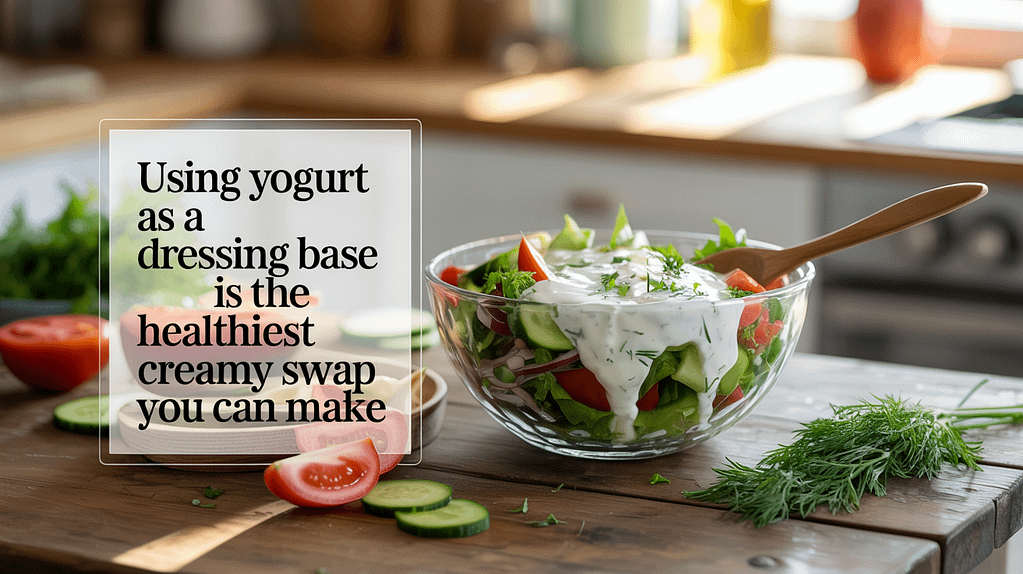
This article explains why yogurt makes an ideal base for homemade dressings, the best types of yogurt to use, how to balance flavors, and several easy recipes to get started.
Why Yogurt Is a Smart Base for Dressings
Yogurt offers a creamy texture without the heaviness of traditional mayo or dairy-heavy options, making it an excellent choice for those looking to eat healthier without sacrificing flavor.
Key Benefits of Using Yogurt
Yogurt dressing brings both nutritional and culinary advantages:
- Lower in calories and fat than mayonnaise-based dressings
- High in protein and probiotics, supporting digestion and satiety
- Naturally tangy flavor complements herbs, citrus, garlic, and mustard
Best Types of Yogurt for Dressings
Not all yogurts are created equal. Choosing the right kind makes a big difference in texture, flavor, and nutritional value.
Greek Yogurt
Thick and creamy with high protein content:
- Works well for ranch, Caesar, and herbed dressings
- Its consistency makes it ideal for dips and spreads too
Plain Yogurt (Regular)
Thinner than Greek yogurt but still rich in taste:
- Blends easily for pourable vinaigrettes
- Best for lighter dressings or those needing a looser consistency
Plant-Based Yogurt
For dairy-free or vegan diets:
- Use unsweetened versions made from coconut, almond, or soy
- Choose brands without added sugars or flavorings for best results
How to Make Yogurt-Based Salad Dressings
Creating your own yogurt dressing is quick, easy, and adaptable.
Basic Formula for Yogurt Dressing
You can adjust this simple base to create endless variations:
- 1/2 cup plain Greek yogurt
- 1 tablespoon olive oil
- 1–2 teaspoons vinegar or lemon juice
- Salt, pepper, and herbs or spices to taste
Popular Add-ins for Flavor
Enhance the base with bold flavors:
- Garlic or shallots for depth
- Fresh herbs like dill, parsley, or chives
- Mustard or tahini for complexity
- Honey or maple syrup for subtle sweetness
Easy Yogurt Dressing Recipes to Try
Here are a few quick recipes to use with salads, grain bowls, or wraps.
Creamy Garlic Yogurt Dressing
A versatile option for green or pasta salads.
- 1/2 cup Greek yogurt
- 1 clove garlic (minced)
- 1 tbsp lemon juice
- 1 tbsp olive oil
- Salt and pepper
Herbed Yogurt Ranch
A lighter version of ranch that still satisfies.
- 1/2 cup yogurt
- 1 tsp onion powder
- 1 tsp garlic powder
- 1 tbsp fresh chopped dill
- 1 tbsp apple cider vinegar
Yogurt Caesar Dressing
A tangy take without anchovies or mayo.
- 1/2 cup Greek yogurt
- 1 tsp Dijon mustard
- 1 tsp Worcestershire sauce
- 1 tbsp lemon juice
- 1 tbsp grated Parmesan
- Salt and pepper
Tips for Balancing Texture and Flavor
Getting the consistency and taste right ensures your yogurt dressing doesn’t feel flat or too thick.
Adjusting Texture
To thin or thicken the dressing:
- Add water, milk, or citrus juice for a more pourable dressing
- Use full-fat yogurt or add a spoonful of tahini for thicker dressings
Balancing Acidity and Sweetness
Yogurt is naturally tangy, so you may need to balance it:
- Add a small amount of honey or maple syrup
- Combine with a touch of vinegar or citrus to brighten flavors
- Use seasoning like cumin, smoked paprika, or chili for a savory edge
Health Considerations
Yogurt dressings are generally healthy, but a few tips help maximize benefits.
Choose Plain, Unsweetened Yogurt
Avoid flavored or sweetened yogurts:
- These often contain added sugars and artificial flavors
- Stick with whole-milk or low-fat plain yogurt for best taste and nutrition
Store Safely
Keep yogurt-based dressings refrigerated:
- Use within 3–5 days for freshness
- Shake or stir before each use, as natural separation may occur
FAQ About Using Yogurt as a Dressing Base
Here are some questions and answers about using yogurt in salad dressings, helping you understand how to incorporate this healthy swap into your meals.
Can I substitute yogurt for mayonnaise in any dressing?
Yes, in most creamy dressing recipes, Greek yogurt can directly replace mayo for a lighter and tangier version.
Is yogurt dressing safe for people with lactose intolerance?
It depends on the yogurt type. Many lactose-intolerant individuals tolerate Greek yogurt due to its lower lactose content. Alternatively, use plant-based yogurts.
How long can I store yogurt-based dressing in the fridge?
Generally, 3 to 5 days is best. Always store it in an airtight container and check for sour smell or separation before use.
Can I make yogurt dressing vegan?
Yes. Use unsweetened plant-based yogurts like soy or coconut. Combine with vegan-friendly ingredients for flavor and creaminess.
Why does my yogurt dressing taste too tart?
Plain yogurt has a natural tang. Balance it with a small amount of sweetener or mellow it out with olive oil or avocado.