
GroceryBrands.net is a participant in the Amazon Services LLC Associates Program. When you click our Amazon affiliate links and make a purchase, we earn a commission at no extra cost to you.
Honey mustard dressings are sweeter and milder, while Dijon mustard dressings are sharper and more complex in flavor. Choosing between the two depends on whether you want a dressing that leans sweet and creamy or one that adds bold, tangy depth to your salads and dishes.
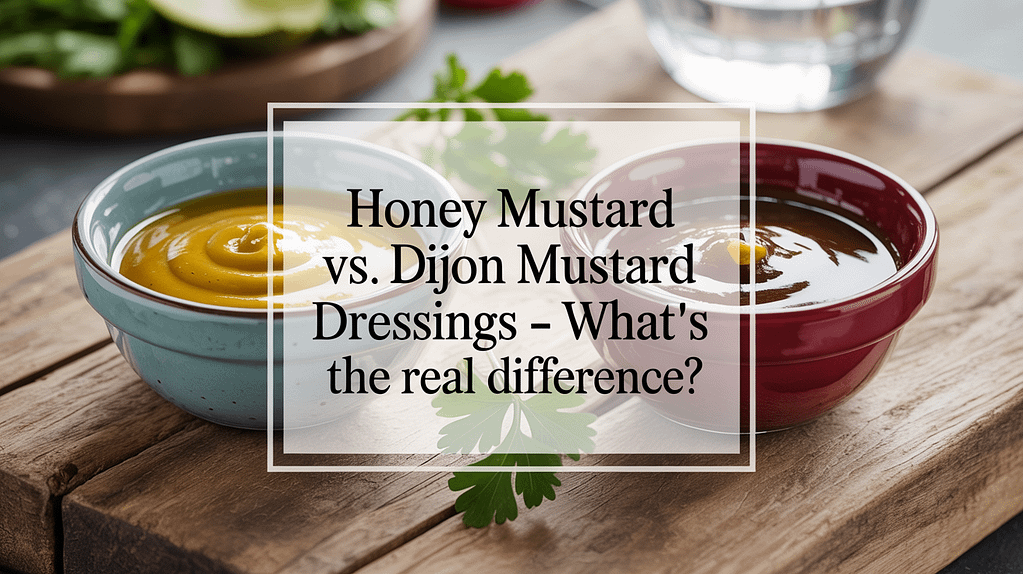
This article explores the key differences between honey mustard and Dijon mustard dressings in terms of taste, ingredients, nutrition, and usage. If you’re trying to decide which one to use for your next salad or marinade, here’s what you need to know.
What Makes Each Dressing Unique?
Both honey mustard and Dijon mustard dressings start with mustard, but the type of mustard and the added ingredients create distinct profiles.
Honey Mustard Dressing
Honey mustard is a blend of mustard and honey, often with mayonnaise or yogurt for creaminess.
- Flavor Profile: Sweet, mild, and kid-friendly
- Common Ingredients: Yellow or Dijon mustard, honey, mayo, vinegar
Dijon Mustard Dressing
Dijon mustard dressings are tangier and more intense in flavor, often paired with oil and vinegar for a vinaigrette.
- Flavor Profile: Sharp, peppery, and refined
- Common Ingredients: Dijon mustard, olive oil, vinegar, garlic, herbs
Flavor and Texture Comparison
The differences in taste and consistency are immediately noticeable and often define which dressing suits which dish.
Honey Mustard Characteristics
Honey mustard dressings are:
- Sweeter and creamier, often thicker
- Suitable for dipping, spreading, or drizzling over milder greens
- Often used on grilled chicken salads, wraps, and sandwiches
Dijon Mustard Characteristics
Dijon mustard dressings are:
- Bold and vinegary, with a slight spice
- Lighter in texture, typically used as vinaigrettes
- Great for hearty salads with arugula, kale, or roasted vegetables
Nutritional Differences
The health impact varies depending on the ingredients used and whether it’s store-bought or homemade.
Honey Mustard Nutritional Considerations
- Often contains added sugars from honey or sweeteners
- May include mayo or cream for texture, increasing calories
- Can be higher in sodium depending on brand or recipe
Dijon Mustard Nutritional Considerations
- Usually lower in sugar, making it a better low-carb option
- Often contains healthy fats from olive oil
- Provides more intense flavor, so you may use less overall
Best Uses for Each Dressing Type
Choosing the right mustard-based dressing enhances the flavor of your dish without overwhelming it.
When to Use Honey Mustard
Honey mustard is a versatile sweet-savory blend that works well in:
- Chicken salads or wraps where a creamy, tangy-sweet dressing is ideal
- As a dip for chicken tenders, fries, or pretzels
- Over spinach or romaine-based salads with apples, nuts, and bacon
When to Use Dijon Mustard
Dijon mustard dressings bring sophistication to savory dishes like:
- Grain bowls or roasted veggie salads needing a sharp vinaigrette
- Green salads with bitter greens like arugula or radicchio
- As a marinade for meats or grilled vegetables
How to Make Each at Home
You can prepare both dressings easily with minimal ingredients.
Simple Honey Mustard Dressing Recipe
- 2 tbsp yellow or Dijon mustard
- 2 tbsp honey
- 1 tbsp mayonnaise or Greek yogurt
- 1 tbsp apple cider vinegar
- Salt and pepper to taste
Whisk until creamy and smooth. Refrigerate for up to one week.
Simple Dijon Mustard Vinaigrette Recipe
- 2 tbsp Dijon mustard
- 3 tbsp olive oil
- 1 tbsp red or white wine vinegar
- 1 garlic clove (optional)
- Salt, pepper, and a pinch of herbs
Shake or whisk until well blended. Refrigerate and use within five days.
Ingredient Tips for Healthier Versions
If you’re watching calories, sugar, or sodium, here are some ways to make better choices.
Honey Mustard Health Tweaks
- Use Greek yogurt instead of mayo for protein
- Choose raw honey for added antioxidants
- Skip added sugar if the honey is already sweet enough
Dijon Mustard Health Tweaks
- Use extra virgin olive oil for heart-healthy fats
- Add lemon juice for extra brightness without sodium
- Include fresh herbs for flavor instead of salt
FAQ About Honey Mustard vs. Dijon Mustard Dressings
Here are some questions and answers about the differences between honey mustard and Dijon mustard dressings to help guide your next meal choice.
Which is healthier: honey mustard or Dijon mustard dressing?
Dijon mustard dressings are generally healthier due to lower sugar and fewer calories. However, homemade versions of both can be adjusted to meet your health goals.
Can I use Dijon mustard to make honey mustard dressing?
Yes, Dijon mustard can be used as the base for honey mustard. It adds a sharper edge to the sweetness, balancing out the honey.
Is honey mustard considered a vinaigrette?
Not usually. Honey mustard is typically creamy, especially when mixed with mayo or yogurt. Dijon mustard is more common in vinaigrette-style dressings.
Are these dressings gluten-free?
Most mustard-based dressings are naturally gluten-free, but it depends on the brand. Always check labels for wheat-based thickeners or flavorings.
Can I use both dressings in the same meal plan?
Absolutely. Use honey mustard when you need a creamy, sweet touch, and Dijon mustard dressing when you want something tangy and light.
Back to Salad Dressings and Vinaigrettes