
GroceryBrands.net is a participant in the Amazon Services LLC Associates Program. When you click our Amazon affiliate links and make a purchase, we earn a commission at no extra cost to you.
Oatmeal is generally the healthier choice compared to most cold cereals, thanks to its higher fiber content, fewer added sugars, and better satiety levels. However, not all oatmeals or cereals are created equal, your nutrition depends heavily on the brand and how you prepare it.
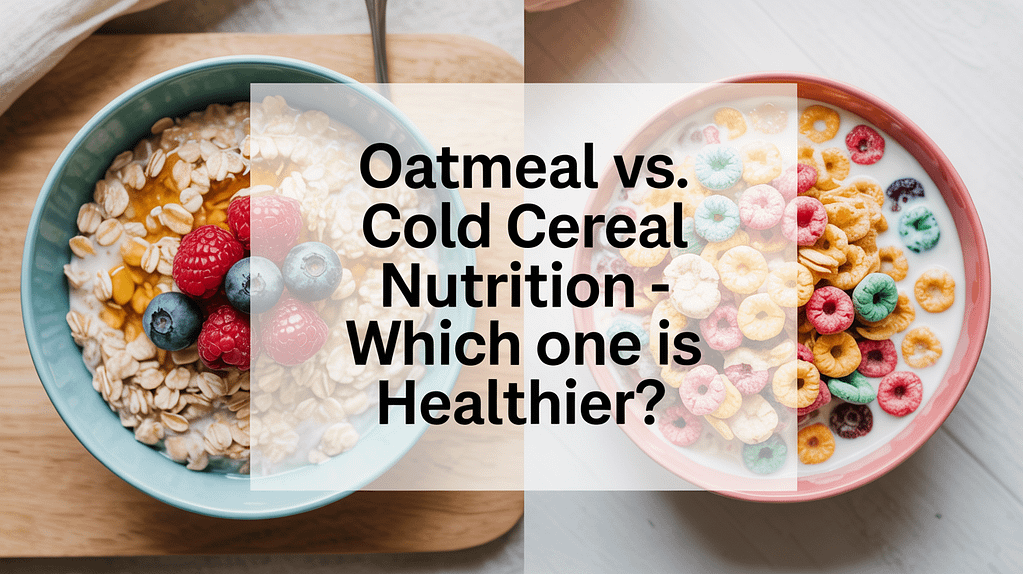
Let’s explore the detailed nutritional differences, health benefits, and considerations for both oatmeal and cold cereal.
Nutritional Comparison of Oatmeal and Cold Cereal
While both can be part of a balanced breakfast, oatmeal typically has more natural nutrients and fewer processed ingredients.
Macronutrients Breakdown
Each option brings different macros to the table. Here’s how they stack up:
- Oatmeal:
- Complex carbs from whole oats
- Around 4g protein per 1/2 cup dry
- High in soluble fiber (especially beta-glucan)
- Cold Cereal:
- Often contains added sugars
- Protein varies (2g–8g per serving)
- Often fortified with vitamins and minerals
Sugar and Additives
One of the biggest differences lies in how sweetened the products are:
- Cold cereals often contain 5g-15g of added sugar per serving
- Oatmeal, especially plain or steel-cut, contains 0g added sugar unless sweetened manually
Health Benefits of Oatmeal
Oatmeal has long been recommended by nutritionists for good reason. Here’s what makes it stand out:
Heart Health and Cholesterol Control
- Rich in beta-glucan fiber, which helps lower LDL cholesterol
- Naturally low in saturated fat
Better Blood Sugar Stability
- Slower digestion compared to refined cereals
- Helps reduce blood sugar spikes, especially when combined with protein/fat
Health Benefits of Cold Cereal
Cold cereal is convenient and often enriched with nutrients, but it’s not without caveats.
Fortified Nutrients and Convenience
- Many cereals are fortified with B-vitamins, iron, and folic acid
- Perfect for busy mornings and doesn’t require cooking
High-Protein Options Available
Some brands now offer cereals with 10g+ protein per serving, making them a decent choice for active individuals.
Oatmeal Types and Nutritional Differences
Not all oatmeals are the same. Here’s how they differ:
Steel-Cut vs. Instant Oats
- Steel-cut oats: Least processed, chewy texture, lower glycemic index
- Instant oats: Highly processed, higher glycemic index, often with added sugar
Flavored Oatmeal Packets
- May contain up to 12g sugar per serving
- Often include preservatives and artificial flavors
Cold Cereal: What to Watch Out For
It’s easy to fall into the “healthy-looking” cereal trap. Here are key factors to evaluate:
Ingredient Labels and Claims
- Look beyond terms like “whole grain” or “natural”
- Watch for sugar content listed under names like “corn syrup,” “fructose,” etc.
Serving Sizes Are Deceptive
- Many cereals list 3/4 cup to 1 cup as a serving—less than most people pour
- Real-world portion sizes often double the calories and sugar
Which One Keeps You Fuller Longer?
Oatmeal generally wins in satiety, especially when paired with healthy toppings.
Why Oatmeal Satisfies More
- High fiber slows digestion
- Can be combined with nuts, fruits, and seeds for added texture and nutrition
Cold Cereal’s Shortcoming
- Even high-fiber cereals tend to digest faster
- Less protein and fat unless paired with extras like milk or yogurt
Making a Healthier Choice: What to Add and Avoid
You can make either choice healthier with smart additions and mindful preparation.
For Oatmeal
- Add: Chia seeds, flaxseed, sliced almonds, fresh fruit
- Avoid: Pre-flavored packets, too much honey or brown sugar
For Cold Cereal
- Add: Unsweetened almond milk, Greek yogurt, fresh berries
- Avoid: Sugar-loaded cereals marketed to kids or with chocolate coatings
FAQs About Oatmeal vs. Cold Cereal Nutrition
Here are some questions and answers about oatmeal vs. cold cereal nutrition:
What is healthier: oatmeal or cold cereal?
Oatmeal is typically healthier due to its high fiber and minimal processing. Cold cereal varies; look for options with whole grains and low sugar.
Does oatmeal keep you full longer than cereal?
Yes, oatmeal contains soluble fiber which digests slowly, helping you feel full for longer compared to many cold cereals.
Are there any cold cereals as healthy as oatmeal?
Yes, some high-protein, low-sugar cereals made from whole grains can compete with oatmeal, especially when paired with nutritious add-ons.
Is instant oatmeal as good as regular oats?
Not quite. Instant oats are more processed and often contain added sugars, though plain varieties are better. Steel-cut and rolled oats offer better nutrition.
Can I eat cold cereal every day?
Yes, if you choose a cereal low in sugar and high in whole grains. Rotate with oatmeal or other whole foods for variety and balanced nutrition.
Final Verdict: Oatmeal Wins for Most People
For heart health, fiber, fullness, and less sugar, oatmeal is generally the better breakfast choice, especially when prepared from plain oats. Cold cereals can still be healthy if you choose wisely, watch sugar content, and pair them with protein.